Africa | Mozambique | Arimba

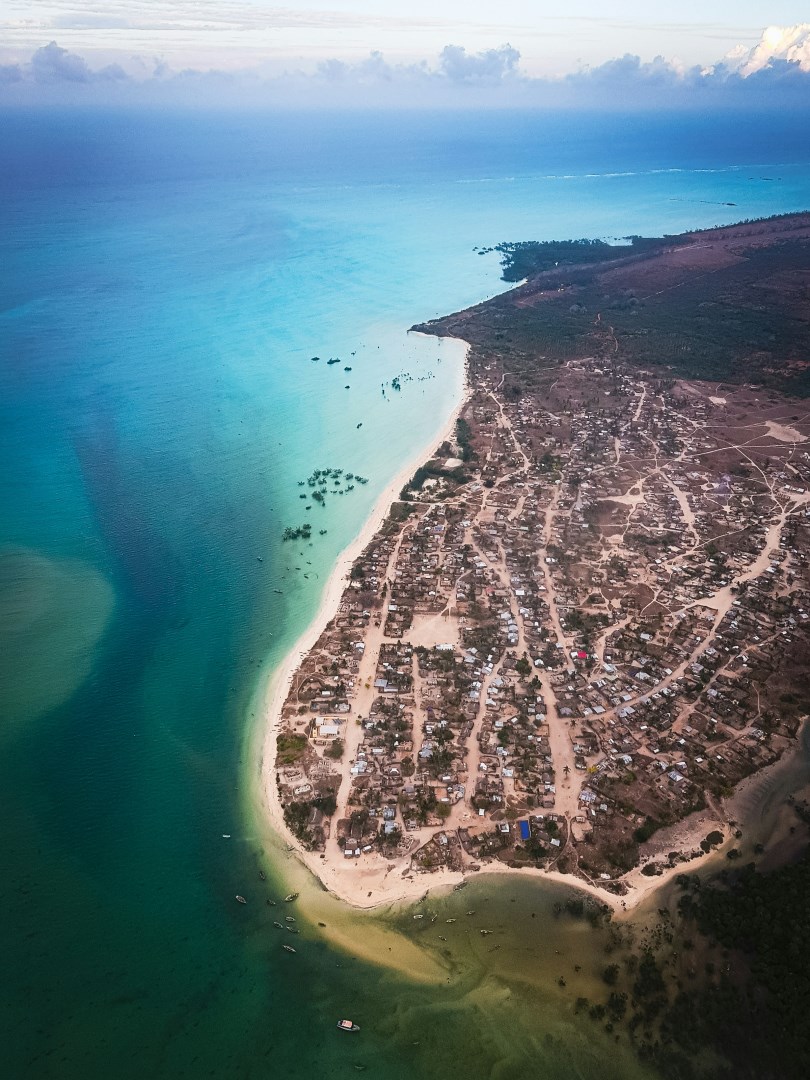
Arimba is a coastal village in Cabo Delgado Province in northern Mozambique, situated along the mainland shore near the Quirimbas Archipelago. Its setting combines sandy coastline, coral-rich waters, coconut palms, and low coastal vegetation. The village has traditionally been connected to fishing and small-scale coastal trade, while its position near the Quirimbas has linked it with maritime routes serving communities along northern Mozambique. Arimba is a relatively remote destination, offering a glimpse of rural coastal life away from the larger towns of Cabo Delgado and providing access to the marine landscapes of the Quirimbas region.
Arimba has a long relationship with the communities and trading networks of the Quirimbas coast. Its residents have traditionally relied on fishing, small-scale agriculture, and gathering materials from the surrounding landscape. Local life is closely connected to the sea, with fishing canoes and knowledge of tides forming an important part of daily activities. The wider Cabo Delgado region has strong Swahili, Makhuwa, and Islamic cultural influences, reflecting centuries of interaction along the Indian Ocean coast. Arimba's location also placed it within historic maritime routes connecting mainland settlements with islands such as Ibo and Quirimba.
The coastline around Arimba provides access to shallow marine waters, coral areas, beaches, and nearby islands of the Quirimbas. Community fishing grounds include the waters around Kipaku, a marine area identified locally for temporary octopus fishing closures and conservation. The wider Quirimbas National Park protects coral reefs, mangroves, coastal forests, and a range of marine species, including dolphins, turtles, dugongs, sharks, and rays. Arimba's position on the mainland also makes it a useful reference point for understanding the relationship between coastal villages and the island environments scattered offshore.
Seafood is central to life in Arimba, with fish and octopus forming important parts of the local diet and fishing economy. Community-managed temporary closures have been used in the Quirimbas region to help replenish octopus and fish stocks, with Arimba's fishing community participating in these conservation efforts. Coconut palms and locally gathered plants also contribute to household needs, including traditional building materials. The village's coastal setting and links with the Quirimbas give it a distinctive maritime character, while its relatively remote location offers insight into the fishing communities that have long inhabited Cabo Delgado's northern shoreline.